

The difference between freehold and leasehold comes down to one thing: what you actually own, and for how long. With freehold, you own the property and the land it stands on outright, with no time limit and no landlord. With leasehold, you own the right to live in the property for a fixed number of years under a lease, while a freeholder still owns the building and land — and you usually pay them ground rent and service charges. For houses, freehold is the norm; for flats, leasehold has long been standard, though that is now changing fast. This guide explains the differences in full, the real costs of leasehold, how to extend a lease or buy the freehold, and the major 2024–2026 reforms reshaping the whole system.
- Freehold: you own the property and land outright, forever, with no ground rent.
- Leasehold: you own a long tenancy for a fixed term and pay a freeholder; the lease shortens each year.
- A lease under 80–85 years is a warning sign — it costs more to extend and can affect mortgages and value.
- Leaseholders can usually extend the lease or buy the freehold (enfranchisement); recent reforms have made this cheaper and easier.
- Major reform under way (2024–2026): new leasehold houses are largely banned, and a draft Bill proposes to ban leasehold for most new flats, cap ground rents and revive commonhold.
- Buying or untangling a leasehold? See our property advisory service, read our environmental search guide, or speak to Hayhills.
- What freehold means
- What leasehold means
- Freehold vs leasehold table
- The key differences
- The real costs of leasehold
- Why lease length matters
- Extending a lease or buying the freehold
- The 2024–2026 reforms
- Commonhold: the future?
- Right to Manage
- Building safety and charges
- How to check the tenure
- Should you buy leasehold?
- Freehold flats and variations
- Common mistakes
- Worked example
- What we see in practice
- How Hayhills can help
- FAQs
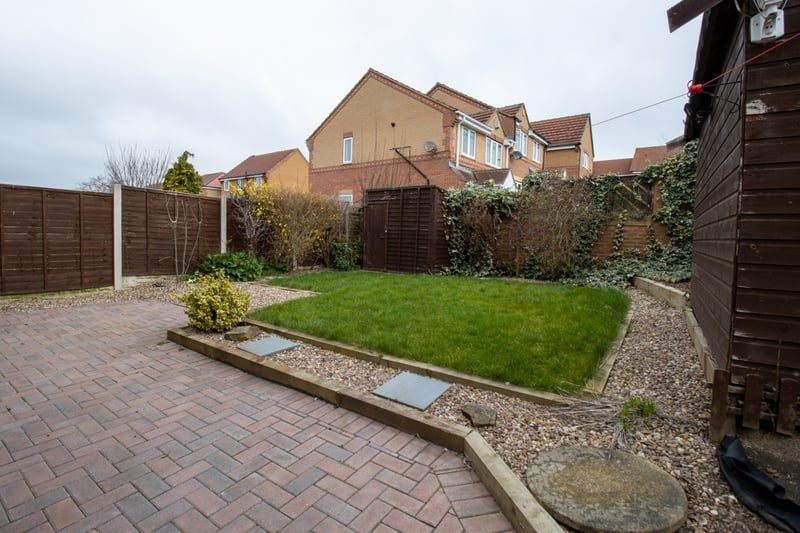
What freehold means
If you own the freehold, you own the building and the land it sits on, with no time limit. There is no landlord, no ground rent, and no lease to run down. You are responsible for maintaining the whole property, but you also have the most control — you can usually alter, extend or use it as you wish, subject to planning and the general law. Most houses in England and Wales are sold freehold, and freehold is generally regarded as the more straightforward and more valuable form of ownership precisely because it is permanent and unconditional.
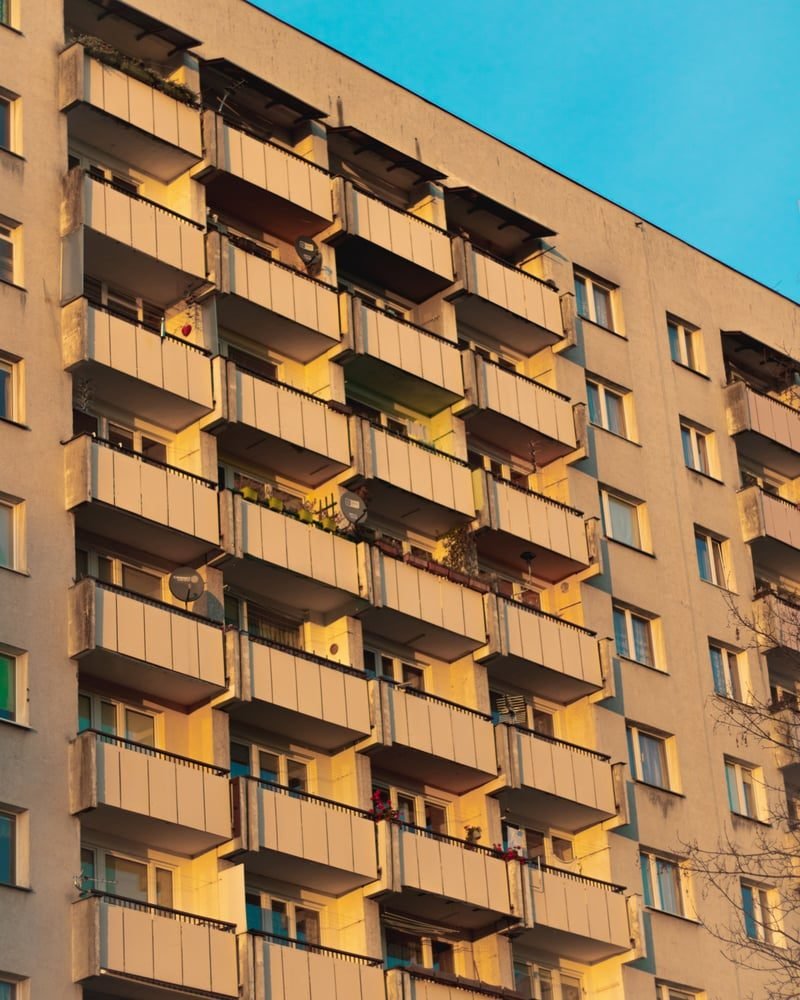
What leasehold means
If you own a leasehold, you own the right to occupy the property for the term of a lease — commonly 99, 125, 250 or 999 years when first granted — but the freeholder (also called the landlord) retains ownership of the building and land. The lease is a contract that sets out your rights and obligations: paying ground rent (historically) and service charges, maintaining the interior, and often seeking the freeholder’s consent for alterations, subletting or keeping pets. Crucially, the lease is a wasting asset — every year that passes, the remaining term shortens, which eventually affects value and mortgageability. Most flats have traditionally been sold leasehold because someone needs to own and manage the shared structure and common parts.
Freehold vs leasehold at a glance
| Feature | Freehold | Leasehold |
|---|---|---|
| What you own | Property and land, outright | The property for a fixed term |
| Duration | Forever | Length of the lease (shortens over time) |
| Landlord | None | A freeholder |
| Ground rent | None | Historically payable (being reformed) |
| Service charges | None (you maintain it yourself) | Usually payable for shared areas |
| Control over alterations | High | Often needs freeholder consent |
| Typical use | Houses | Flats (and some houses, now restricted) |
| Generally more valuable? | Yes | Depends on lease length and terms |
The key differences explained
Beyond the headline of “own forever” versus “own for a term”, several practical differences matter day to day. Control: a freeholder can generally do as they please within the law; a leaseholder often needs consent for works, subletting or pets, and may pay a fee for it. Ongoing costs: freeholders have no ground rent or service charge, while leaseholders typically pay both, plus contributions to a sinking fund for major works. Maintenance: a freeholder maintains everything; a leaseholder usually maintains their own interior while the freeholder (or a management company) maintains the structure and common parts and recovers the cost through service charges. Mortgages and resale: lenders are cautious about short leases and onerous terms, so a leasehold with a short lease or escalating ground rent can be harder to mortgage and sell. These differences are why the type of ownership is one of the first things to check when buying.

The real costs of leasehold
Leasehold carries ongoing costs that freehold does not, and underestimating them is a common and expensive mistake. The main ones are:
| Cost | What it is |
|---|---|
| Ground rent | An annual payment to the freeholder (historically; now being reformed and capped) |
| Service charge | Your share of maintaining the building and common parts — can be substantial |
| Sinking / reserve fund | Contributions saved for future major works (roof, lifts, cladding) |
| Permission / consent fees | Charged by the freeholder for approving alterations, subletting, etc. |
| Lease extension | The cost of adding years to a shortening lease |
| Buildings insurance | Often arranged by the freeholder and recovered from leaseholders |
Some older leases contained escalating ground rents (for example, doubling every 10 years), which became a notorious scandal because they made flats hard to sell or mortgage. Reform has targeted exactly this problem, but it is essential to check the ground rent and service charge history before buying any leasehold.
Why lease length matters so much
The single most important number in a leasehold is the years remaining. As a lease shortens, the property becomes worth less and harder to mortgage. The critical threshold has historically been around 80 years: below that, extending the lease became significantly more expensive because of an extra cost called “marriage value”, and many lenders are wary of short leases. A lease with, say, 70 years left can be a serious problem — costly to extend and off-putting to buyers. The practical rule is to treat anything under about 85 years as a red flag that needs costing before you commit, and to factor the price of a lease extension into your offer.

Extending a lease or buying the freehold
Leaseholders are not stuck with what they have. There are two main routes to more security. Lease extension adds years to your existing lease (for flats, the modern entitlement is a long extension at a peppercorn — effectively nominal — ground rent). Enfranchisement means buying the freehold: an individual leasehold house owner can buy their freehold, and flat owners can club together to buy the freehold of their building collectively, or take over its management through a Right to Manage. Both routes have a legal process and a price based on a statutory valuation. Recent reform has been aimed squarely at making these cheaper and simpler — including longer standard extension terms, removing some old hurdles, and reducing the cost of enfranchisement. Because conveyancing and enfranchisement are regulated activities, this is an area where you take specialist advice and instruct a regulated professional to act.
The 2024–2026 leasehold reforms
Leasehold is in the middle of the biggest shake-up in a generation, so the position is genuinely moving. Two things matter. First, the Leasehold and Freehold Reform Act 2024 is law: it bans the sale of most new leasehold houses, makes it cheaper and easier to extend leases and buy freeholds, increases standard lease-extension terms, removes the old requirement to have owned a property for two years before extending, and strengthens leaseholders’ rights over service charges and managing agents. Many of its provisions are being brought into force through secondary legislation.
Second, and more far-reaching, the Government published a draft Commonhold and Leasehold Reform Bill for pre-legislative scrutiny in early 2026. Its headline proposals are dramatic: banning leasehold for most new flats, capping ground rents for existing leaseholders (a proposed cap, reducing further over time), abolishing forfeiture (the draconian power to seize a flat over a relatively small debt) in favour of a fairer enforcement scheme, and reviving commonhold as the default way to own flats. The direction of travel is clear: leasehold for flats is being phased out in favour of commonhold ownership. Because the detail is still being finalised, anyone buying or selling leasehold now should take current advice rather than relying on older guidance.
Commonhold: the future of flat ownership?
Commonhold is an alternative to leasehold that has existed since 2002 but was barely used. It lets you own your flat freehold, while a “commonhold association” of all the flat owners jointly owns and manages the shared structure and common parts — with no external freeholder, no ground rent, and no wasting lease. The Government’s stated aim is to make commonhold the standard model for new flats and to make it far easier for existing leaseholders to convert. A reinvigorated commonhold framework is expected to become available before the end of this Parliament. For buyers, the takeaway is that flat ownership is shifting from “own a lease from a landlord” towards “own your flat outright and share the building’s management” — a fundamental change worth understanding.
Right to Manage and dealing with managing agents
One of the biggest frustrations of leasehold is feeling at the mercy of a freeholder or managing agent over service charges and maintenance. Leaseholders have rights here. The Right to Manage lets the leaseholders of a block take over management of the building from the freeholder — without having to prove fault and without buying the freehold — by setting up a Right to Manage company. Separately, leaseholders can challenge unreasonable service charges at the First-tier Tribunal, and recent reform strengthens the right to clear information about what charges cover. If you are buying into a block, it is worth asking how it is managed, whether the leaseholders have or could exercise the Right to Manage, and what the service charge has done over the past few years. Good management makes leasehold work; poor management is where most disputes start.

Building safety and service charges
Since the Grenfell tragedy, building safety has become a central leasehold issue, especially for flats in taller buildings. The Building Safety Act 2022 introduced new duties and protections, including measures to stop leaseholders being landed with the full cost of remediating unsafe cladding and certain other defects. The position is complex and depends on the building’s height, the nature of the defect and when the lease was bought, so it is essential to ask specific questions before buying a flat in a block that may be affected: is there any outstanding cladding or fire-safety remediation, who is paying for it, and is there an EWS1 or equivalent assessment. A building-safety problem can dwarf every other leasehold cost, so it is one of the most important checks a flat buyer can make.
How to check the tenure before you buy
Whether a property is freehold or leasehold — and on what terms — should be one of your first questions, not an afterthought. A sensible checklist:
- Confirm the tenure. Is it freehold, leasehold or (rarely) commonhold? The estate agent’s listing and Land Registry title will say.
- Check the years remaining on any lease, and treat anything under ~85 years as needing a costed extension.
- Read the ground rent terms — the amount and, crucially, whether and how it escalates.
- Review service charge accounts for the last few years and ask about planned major works.
- Ask about building safety and any cladding or remediation issues.
- Note any restrictions on alterations, subletting or pets, and any consent fees.
- Take advice before offering — a regulated conveyancer will examine the lease in detail.
Doing this early means you can price the real cost of ownership into your offer, rather than discovering it after exchange when it is too late.
Should you buy a leasehold property?
Leasehold is not something to avoid automatically — most flats are leasehold and millions are owned perfectly happily. The key is to go in with your eyes open. Before committing, check: the years remaining on the lease (longer is better; be wary below ~85 years); the ground rent and whether it escalates; the service charge history and any planned major works; any unusual restrictions or consent fees; and the freeholder’s or managing agent’s track record. A long lease with a peppercorn ground rent and a sensible service charge is a very different proposition from a short lease with an escalating ground rent and a history of disputed charges. Price the risks in, and take proper advice before you offer.
Common leasehold mistakes to avoid
- Ignoring the lease length. A short lease can be costly to extend and hard to mortgage or sell.
- Overlooking ground rent escalation. Doubling or RPI-linked ground rents can wreck saleability.
- Underestimating service charges. Major works can mean five-figure bills with little notice.
- Assuming you can do as you like. Many alterations and sublets need the freeholder’s consent.
- Not budgeting for a lease extension. Factor the cost into your offer, especially below 85 years.
- Relying on out-of-date information. The law is changing fast; check the current position.
Worked example: two flats, very different risk
Two identical-looking flats are on the market at the same price. Flat A has a 982-year lease with a peppercorn ground rent and a stable £1,400 annual service charge. Flat B has a 74-year lease, a ground rent that doubles every 10 years, and a service charge under dispute. On paper they cost the same — but Flat B is worth far less: the buyer will need to budget tens of thousands to extend the lease, may struggle to get a mortgage, and faces uncertain future charges. A buyer who checks only the asking price and not the lease could overpay dramatically. This is exactly why the lease terms, not just the price, determine the real value of a leasehold property.
London buyers: a quick note
Leasehold is especially prevalent in London, where the housing stock is dominated by flats and many older blocks carry complex leases, large service charges and active enfranchisement claims. The same rules apply as everywhere in England and Wales, but the stakes are often higher because values are higher and leases more varied. For London buyers and investors, the priority is to scrutinise the lease, ground rent and service charge carefully — and to take advice before committing, particularly given how quickly the reform landscape is moving.
Freehold flats, shared ownership and other variations
The freehold-or-leasehold split covers most cases, but a few variations are worth knowing. Freehold flats exist but are rare and often problematic, because there is usually no satisfactory way to enforce maintenance obligations between separate freehold flats — which is exactly the gap commonhold is designed to fill. Shared ownership is a part-buy, part-rent scheme, almost always leasehold, where you buy a share of a property and pay rent on the rest; the lease terms and the rules on “staircasing” up to full ownership need careful review. “Fancy freehold” or estate-rentcharge arrangements can leave even freehold house owners paying estate management charges on new-build estates, with their own pitfalls. And flying freeholds — where part of one freehold property sits above another — raise specific maintenance and lending issues. The general lesson is the same throughout: the label on the listing is only the start, and the precise legal terms are what determine your rights, costs and risks. Always check the actual title and lease, not just whether it says “freehold” or “leasehold”.
What we see in practice
Buyers ask us constantly whether to wait for leasehold reform before purchasing. Our honest answer in 2026 is to avoid planning around a timetable that keeps moving. The Leasehold and Freehold Reform Act 2024 received Royal Assent on 24 May 2024, but most of it is still not in force — only the abolition of the two-year ownership rule (section 27) has commenced, on 31 January 2025, and the government now expects the main valuation and enfranchisement changes no earlier than late 2026.
The bigger shift is still at draft stage. On 27 January 2026 the government published a draft Commonhold and Leasehold Reform Bill proposing to ban most new leasehold flats, make commonhold the default for new-build flats, and cap existing ground rents at £250 a year. Until those measures are actually in force, we advise clients to value a leasehold flat on today’s law — its lease length, ground rent and service charge — rather than on reforms that may land in 2027, 2029 or later.
How Hayhills can help
Buying, selling or restructuring property — and the conveyancing and enfranchisement that go with it — are regulated activities, so Hayhills works on the commercial and strategic side and introduces a regulated conveyancer or solicitor to carry out the formal legal work. We help you understand whether freehold or leasehold suits your plans, review the practical risks in a lease (length, ground rent, service charges, restrictions), think through lease extension or freehold purchase options, and weigh up how the 2024–2026 reforms affect a particular property. Explore our property advisory service or speak to Hayhills today. If you are buying, our guide to environmental searches explains another key check before you commit.
This article is for general information only and does not constitute legal or accountancy advice. Hayhills Limited, trading as Hayhills Legal Advisory, provides non-reserved legal advisory services. Always check current requirements at GOV.UK.
Frequently asked questions
What is the difference between freehold and leasehold?
Freehold means you own the property and land outright with no time limit or landlord. Leasehold means you own the property for a fixed lease term and pay a freeholder ground rent and service charges.
Is freehold better than leasehold?
Freehold gives more control, no ground rent or service charges, and is generally more valuable. Leasehold is common for flats but carries ongoing costs and a lease that shortens over time.
Why does lease length matter?
A shorter lease lowers value and can make a property hard to mortgage or sell. Below about 80–85 years, extending becomes more expensive, so it is a key figure to check.
Can I buy the freehold of my flat?
Often yes. Flat owners can usually club together to buy their building’s freehold collectively, or extend their leases individually. The process is regulated and priced by statutory valuation.
What is ground rent and is it being abolished?
Ground rent is an annual payment to the freeholder. New long residential leases must charge only a peppercorn, and reforms propose capping ground rents for existing leaseholders.
Are new leasehold houses still allowed?
Largely no. The Leasehold and Freehold Reform Act 2024 bans the sale of most new leasehold houses, and a draft Bill proposes to ban leasehold for most new flats too.
What is commonhold?
Commonhold lets you own your flat freehold while a commonhold association of all owners manages the shared building, with no external landlord, ground rent or wasting lease.
What is a service charge?
A service charge is a leaseholder’s share of maintaining the building and common parts, including a reserve fund for major works. It varies widely and can be substantial.
What is marriage value in a lease extension?
Marriage value is an extra cost that historically applied when extending a lease below 80 years, making short-lease extensions more expensive. Reform has targeted this charge.
Should I avoid buying a leasehold property?
Not necessarily. Most flats are leasehold. Check the lease length, ground rent, service charges and restrictions, and take advice, then price any risks into your offer.